

Let’s Talk Depression
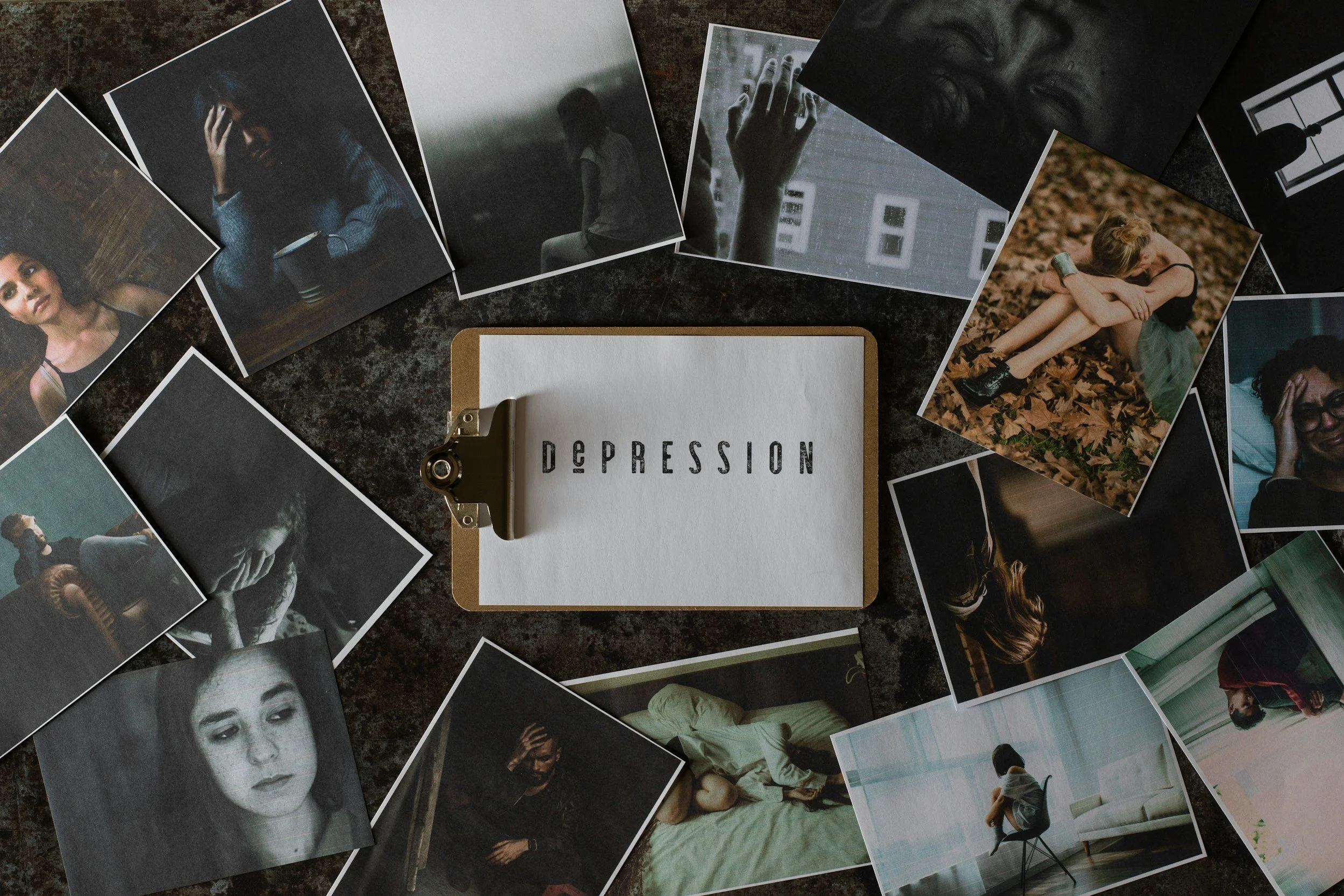
Welcome to the new Let’s Talk series from Watersedge! Every week, we see countless people come through our doors with questions about mental health, family relationships, and behaviors they just can’t change. That’s where we come in. With so many diagnoses flying around (thanks Tik Tok), it’s difficult to figure out fact from fiction. Our new series will give you the 101 on some key phrases or ideas you’ve definitely heard of.
Reading these isn’t a diagnosis. But if you read through and think, “That sounds like me!” bring it to your therapist or doctor and ask what they think. It could be a step towards your own healing or give you the key to better understand the people around you. So let’s start with something we hear about all the time. Depression.
What is Depression?
Simply put, Depression is the feeling of being low, sad, numb or experiencing loss of purpose for two weeks or more. But Depression is actually a lot more expansive than that. The DSM-5 is a book every practitioner worth their salt uses to identify and understand mental ill health. It shows that Depression is the over-arching term for a number of disorders.
These include Major Depressive Disorder (MDD), Persistent Depressive Disorder, Disruptive Mood Dysregulation Disorder and Premenstrual Dysphoric Disorder. Today, we’re going to focus on Major Depressive Disorder, which is what most people think of when we hear the term Depression.
What are the symptoms of Depression?
If someone has Major Depression Disorder, they will experience at least five of the symptoms below for at least two weeks:
Depressed mood for most of the day, nearly every day (This may look like irritable mood in children/adolescents)
Significantly less interest or pleasure in all, or almost all, activities
Significant weight loss or gain, or decrease/increase in appetite
Insomnia (unable to sleep) or hypersomnia (sleeping too much)
Tension and distress leading to unintentional, repetitive movement (eg. Chewing your nails, fidgeting, self-harm), or exceptionally slow movement.
Fatigue or loss of energy
Feelings of worthlessness or extreme guilt
Diminished ability to think or concentrate, or indecisiveness
Recurrent thoughts of death or suicidal ideation
Here’s the thing: if someone is experiencing these symptoms due to another illness, it doesn’t mean they are depressed. That being said, the illness they are experiencing may trigger depressive symptoms.
Who experiences depression?
Anyone at any age can experience Depression. In fact, 1 in 7 Aussies experience it! But some people are more susceptible to it than others based on genetics or lived experience. Stats tells us that women are more likely to experience Depression than men, with many having post-partum Depression after giving birth.
I feel sad sometimes, does that mean I’m depressed?
Being sad doesn’t mean you are depressed. In fact, being sad or feeling low or lethargic is normal for humans. We all experience a full range of emotions, and none are bad. However, these emotions naturally ebb and flow. When we find ourselves caught in feelings of sadness or worthlessness for two weeks or more, that’s an indicator that Depression may be at play. If these feelings are keeping you from living life normally – or enjoying life as usual – speak to your doctor.
What causes Depression?
Depression can be triggered by crisis or a series of difficult events in our lives – be it a disaster, heart break, grief, illness, discrimination, assault, trauma or socio-economic lack. Biologically, some people also have less dopamine, causing them to be more susceptible to depressive thoughts or symptoms. That being said, some people may not be able to figure out what triggered their depression, and that’s ok.
What treats Depression?
There are treatments for mild, medium and severe Depression, and each person will respond differently to them.
Talk therapy is a great start, and many people find that seeing a counsellor gives them space to process emotion and develop strategies to heal. Therapists can use a variety of techniques to help, and work closely with you to figure out what is most effective.
A healthy lifestyle can also help – drinking plenty of water, eating nutrient rich food, getting outside and exercising will contribute to your recovery.
Some people who experience chronic or clinical depression may need the assistance of medication. The type of anti-depressant medication, dosage, and how long this is taken for will depend on consultation with your doctor.
In rarer cases, some people have medication resistant Depression. A specialist, or team of specialists, works with the individual to figure out your options, often once everything else on this list has already been used. Some people use Ketamine treatment to manage this, but often as a latter resort.
Depression can be treated, and lots of people move through the illness and come out the other side. Other people experience Depression more chronically and have to manage it over the course of their life.
How can I tell if someone is over-reacting, of if they are actually depressed?
If someone is concerned enough to think they have Depression, then take them seriously. Observe their behaviour and mood over a week or so and see what has changed. Perhaps they are isolating themselves more often than usual, maybe they are more agitated that before, are hiding in baggy clothes, or can’t sleep? Distinct weight loss or gain, disturbing posts on social media, or darker themed art/music could also be flags they are experiencing Depression.
If these symptoms don’t pass after a couple of weeks, go and see your doctor. Only a doctor or a psychiatrist can diagnose Major Depressive Disorder, and a doctor will refer you on to a counsellor or specialist to begin their wellness journey. If they don’t have depression, there’s no harm done. But by offering help, you are giving the person tools to do what’s best for them.
If at any point you are concerned from the immediate wellbeing of someone and believe they could endanger themselves or others, call 000. You can also call Australia’s Lifeline on 13 11 14 to speak to a qualified counsellor at any time.
Why can’t someone just ‘get over’ Depression?
Much like how someone can’t heal a broken arm or cold over night, people can’t decide to ‘get over’ depression. Yes, a person needs to choose to take part in the healing process – that means being willing to try, seeing a counsellor, and asking for help. But there is no way to flick a switch and get over it. It’s not a bad mood, it’s an illness.
Is Depression connected to any other illnesses?
Depressive symptoms come with any number of illnesses. Be it mental illness, physiological/neurological conditions, or auto-immune conditions, people may experience depression as a result of physical illness, pain, change in lifestyle or hormonal changes. That’s why it’s essential to see a doctor rather than self-diagnose. They, along with a therapist, can help you figure out if you have Major Depressive Disorder, or if you are experiencing depressive symptoms. After this, they can help you find the best treatment to suit your needs.
No matter how much I try to help someone, they say they are still depressed. What do I do?
You can’t ‘fix’ someone who is depressed, you can only love them. The great news is that people tend to heal faster when they are in loving and supportive communities – but you don’t get to determine the timeline of this. So keep showing up, holding space for their feelings, and being a safe person in their life. Offer to go to the doctor with them or book a counselling appointment with them. But remember, ultimately it is up to the person to ask for and receive help. Until they do this, it’s unlikely anything will change.
No matter what I do, I can’t seem to get over my Depression. What do I do?
Depression is an illness, and for some people it is a lifelong fight. That’s why we sometimes we refer to healing from mental illness as ‘recovery’. Like a serious physical injury, it may require long term support, treatment and rehabilitation of sorts. This isn’t a sign that you are weak, only that the Depression is hard to tame. Especially if you are genetically disposed towards Depression or have gone through a significant trauma in your life.
If you have experienced Depression and recovered, you have an extraordinary story to tell others. And if you ever experience Depression again, you now have the tools to ask for help and heal. For those who manage more chronic Depression, developing a lifestyle of self-care, self-acceptance and help-seeking are all crucial. If your current treatment isn’t working, go back to your counsellor and doctor and ask for help. Life shouldn’t be a fight, and you deserve help to find normalcy and hope.